How to spend a proper weekend in Alibaug — ferries, forts, food and the villages most Mumbai visitors never bother to see.
Most people who've been to Alibaug will tell you about the beach, the ferry queue, and maybe a plate of prawns somewhere near Nagaon. That's about ten percent of what the place actually offers. I've spent enough weekends here — some sunburnt, some entirely rained out — to know that Alibaug rewards people who plan a little and wander a lot more than the day-trippers who get off the boat, click a few photos and get back on it by 4 pm.
This is a proper alibaug 2 day itinerary — Friday evening to Sunday afternoon — built around how the tides, ferries and villages actually work, not how the brochures describe them. If you want the shortcuts (which villa, which stretch of coast, which crowd it suits), our Alibaug destination guide is the companion piece to this one.
I'll also make a case, somewhere in the middle of this, for why a good alibaug villa with pool matters more here than in Lonavala or Karjat — because unlike the hills, the sea in Alibaug is not always swimmable, and you'll want a backup that isn't a hotel pool shared with forty strangers.
Getting there: ferry, RoRo or road
The fastest way from South Mumbai is the passenger ferry from the Gateway of India to Mandwa jetty — catamarans run through the day at roughly hourly intervals, and the crossing itself takes about an hour. From Mandwa, shared autos or pre-booked cabs cover the last 25-odd minutes into Alibaug town. If you're driving your own car across, the RoRo (roll-on-roll-off) ferry from Bhaucha Dhakka near Ferry Wharf takes vehicles directly to Mandwa or Rewas — it saves you the long land route around Panvel but has limited daily sailings, so check the schedule before you plan your Friday departure around it.
During monsoon, sea conditions can get rough enough that ferry services are suspended for days at a stretch. The fallback is the road route via Pen and Wadkhal, which takes three to four hours from Mumbai depending on traffic — longer, but it's the only reliable option from June through September. If you're travelling in the rains, build this into your Friday timing rather than assuming the ferry will run.

Alibaug isn't one beach — know your villages
This is where most first-timers go wrong. "Alibaug" is really a string of villages along the coast, each with a different personality. Nagaon is the most developed, with the widest choice of stays and a beach that gets crowded on weekends. Kihim is quieter, backed by casuarina groves, and better for a walk than a swim given the rockier shoreline. Awas and Varsoli sit further along and feel more like actual fishing villages — fewer resorts, more real life. Kashid, a bit further south, has genuinely clean white sand and clearer water, worth the extra 40 minutes if you have a car. Murud, further still, is really its own day trip built around the fort.
- Nagaon — widest choice of villas and restaurants, liveliest on weekends
- Kihim — quiet, wooded, better for walks than swimming
- Awas & Varsoli — working fishing villages, low-key and uncrowded
- Kashid — cleaner sand and water, about 45 minutes south
- Murud — best as a full day trip for the fort, not a base
If you're travelling with extended family, our family-friendly collection leans toward Nagaon and Awas for exactly this reason — shallow, calmer stretches and shorter walks to the water.
The itinerary: Friday evening to Sunday afternoon
Friday
- 4:00 pm — Catch an evening ferry from the Gateway (or leave by road via Pen if it's monsoon)
- 6:30 pm — Check in, settle in, first walk on the beach before it gets dark
- 8:30 pm — Dinner at the villa or a short drive to a known seafood spot in Nagaon
Saturday
- 7:00 am — Early beach walk while the sand is still cool and empty
- 9:00 am — Breakfast, then head towards Kolaba Fort — timed to low tide (see below)
- 12:30 pm — Lunch — a local thali or fresh fish curry
- 3:00 pm — Water sports window (winter months) or pool time and rest (monsoon)
- 6:00 pm — Alibaug market for kokum sherbet and local snacks
- 8:30 pm — Bonfire or barbecue back at the villa
Sunday
- 8:00 am — Leisurely breakfast, pack up
- 9:30 am — Short drive to pick up local shopping — chikki, kokum syrup, banana chips
- 11:30 am — Checkout
- 12:30 pm — Lunch en route or at the jetty before the ferry back
Kolaba Fort and the tide problem
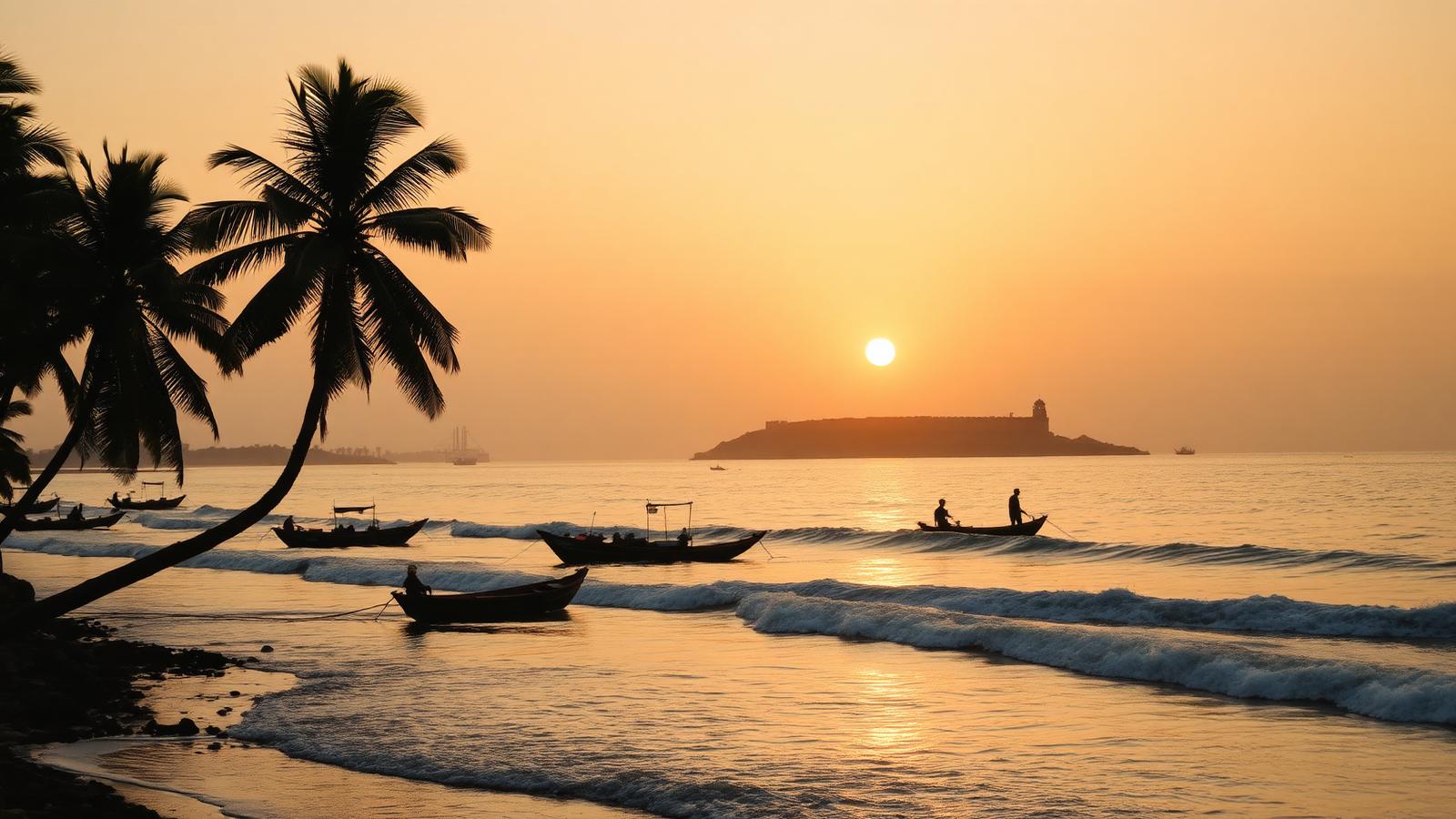
Kolaba Fort sits just off the Alibaug coast and is only walkable at low tide — at high tide it's cut off entirely and you'll need a boat, which isn't always readily available. Tide timings shift daily, so it's worth checking the local schedule the night before rather than turning up and hoping. As a rule, plan your fort visit for the morning slot in the itinerary above and treat the afternoon slack as flexible in case the tide window has moved.
Murud-Janjira as a day trip
Murud-Janjira, about an hour and a half south of Alibaug town, is one of the better-preserved sea forts on this coast and genuinely worth the drive if you have a full day to spare — which usually means treating it as a standalone excursion rather than squeezing it into the same weekend as everything else. If your trip is only two days, I'd rather you do Kolaba and the villages properly and save Murud for a trip built around it.
The food trail
Alibaug's food is coastal Maharashtrian — pomfret and surmai fried simply, prawns in a kokum-based curry, and solkadhi to finish. Look for the smaller Sanman-style thali joints along the main road rather than the beach-facing cafés aimed at tourists; the food is fresher and considerably cheaper. A local thali with fish typically runs ₹300–₹500 per head, while a full seafood spread for a group can go up to ₹800–₹1,200 per person depending on what you order.

Water sports — and when they stop
Jet skiing, banana boat rides and parasailing are available at a few points along the Nagaon–Kihim stretch through the winter and early summer months, roughly October to May. These operations shut down entirely once the monsoon sets in — the sea gets too rough and most operators pack up their equipment by early June, not reopening until the weather settles. If you're travelling between June and September expecting water sports, you'll be disappointed; plan around the villa and the villages instead.
Why a pool villa matters here
When the sea isn't cooperating
- Monsoon surf and undertows make several Alibaug beaches unsafe for swimming
- A private pool gives kids and non-swimmers a safe, unsupervised-friendly option
- Villas with pools double as the evening plan when water sports are shut
- No shared-pool crowding or timing restrictions like at resorts
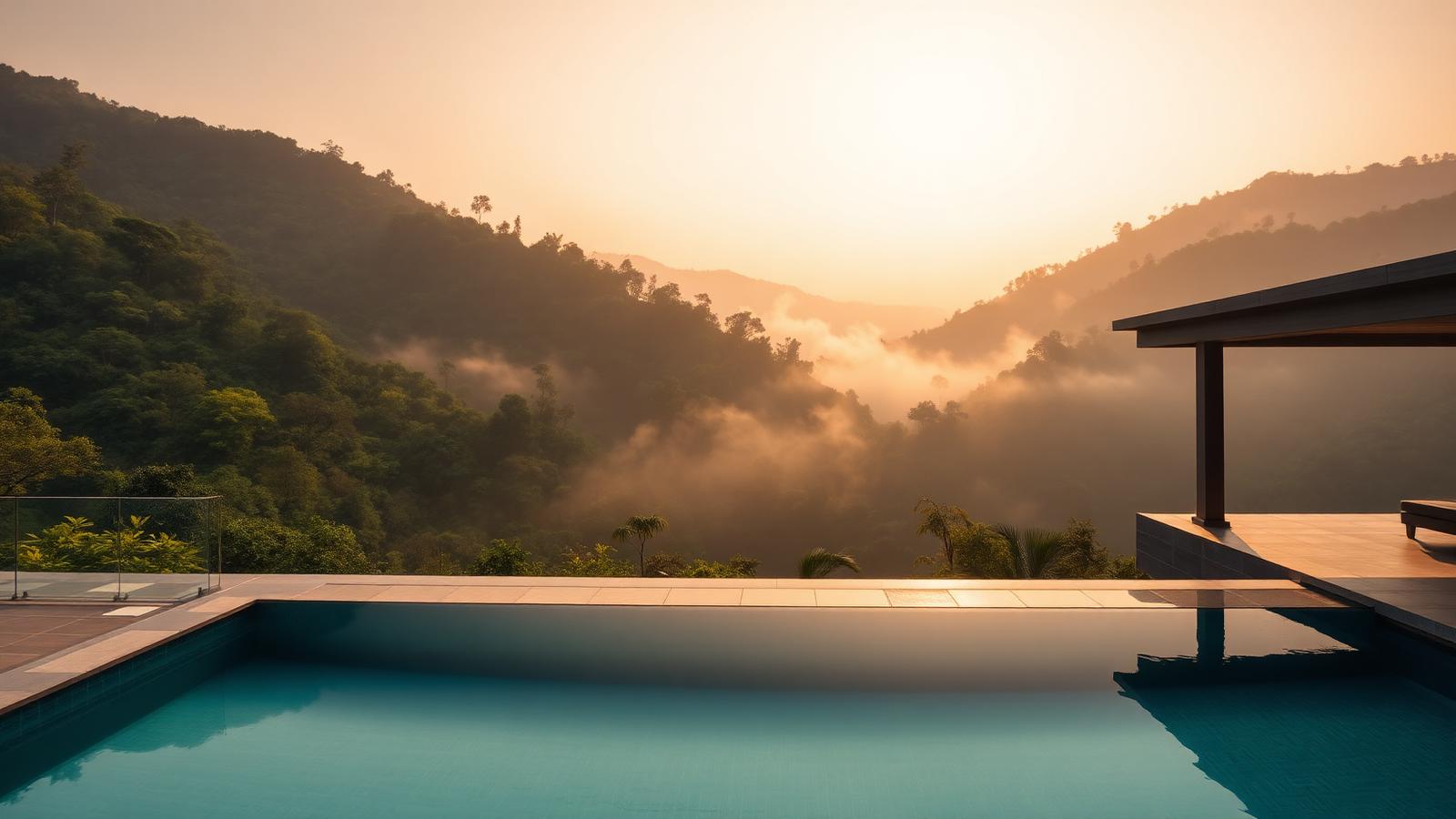
This is the practical argument for booking a private pool villa in Alibaug rather than a plain beachfront room. Properties like 5 Beds Ivy and the larger 5.5 Beds both have pools built into the plan for exactly this reason — the beach is the headline attraction, but the pool is what keeps a weekend from falling apart if the surf's up or the sky doesn't hold.
We get more questions about pool depth and shade in July than we do about beach proximity — guests have learnt that the villa's own water is the more reliable one this time of year.
Villazio host team, Alibaug

Shopping and takeaways
The main Alibaug market street is worth a slow half hour before you leave. Kokum syrup and agal (a local sweet) are the classic pickups, alongside banana chips and the odd fresh coconut vendor selling by the dozen. None of this needs a special trip — fold it into Sunday morning before checkout, as in the itinerary above.
Typical costs for a weekend
| Item | Indicative cost (per person, 2D/1N) |
|---|---|
| Ferry (Gateway–Mandwa return) | ₹400–₹700 |
| RoRo ferry (car, one-way) | ₹1,200–₹2,000 per vehicle |
| Local thali / meal | ₹300–₹500 |
| Water sports (single activity) | ₹500–₹1,500 |
| Villa stay (shared, per night) | ₹2,500–₹6,000 depending on villa size and season |
For a deeper breakdown of how villa pricing scales with group size, our villa rental cost guide walks through it line by line — useful before you split the bill with friends.
Monsoon versus winter — which weekend to pick
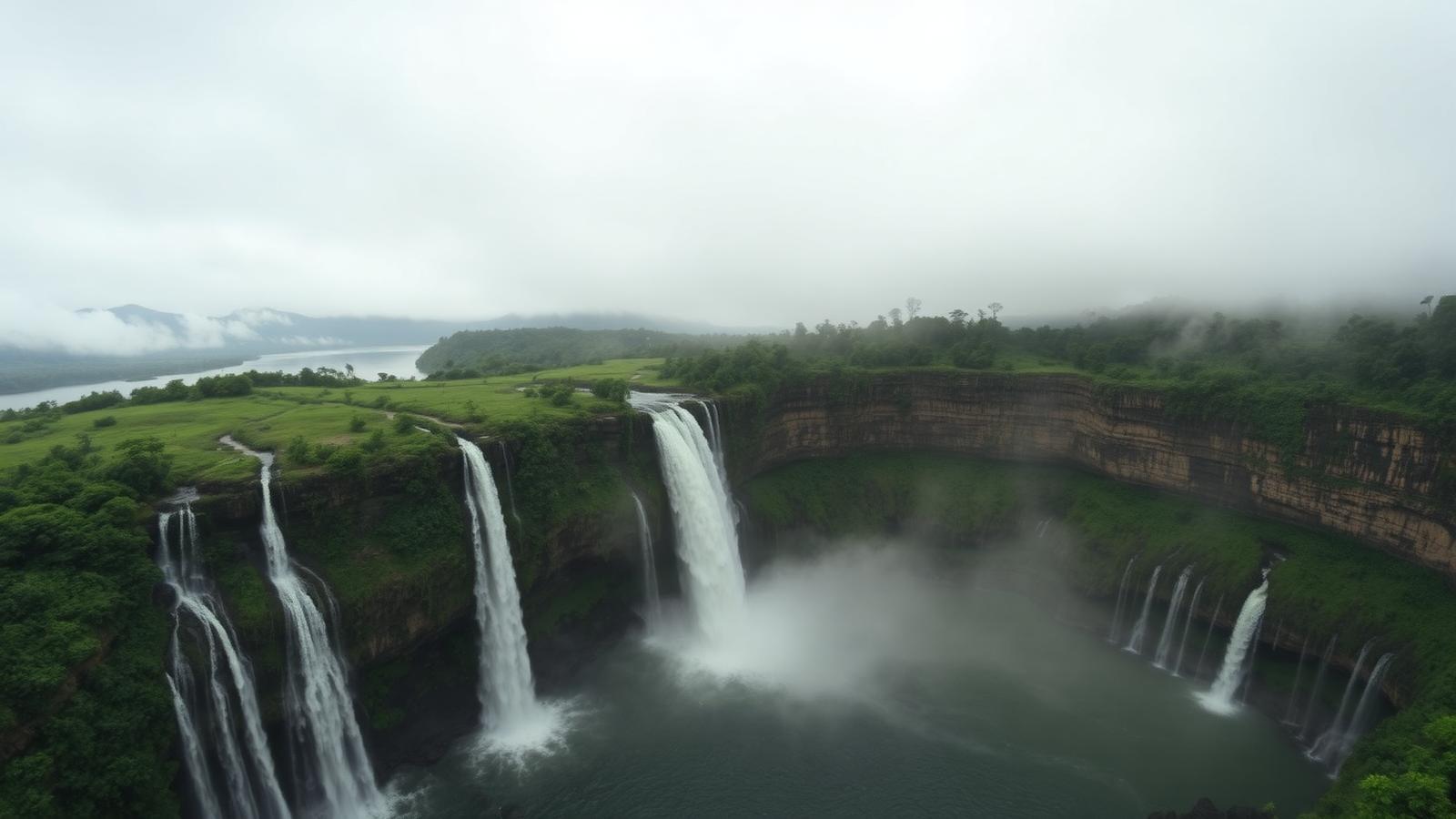
Winter (November to February) gets you the best of the beaches, working water sports and clear evening skies for a bonfire — it's also when Alibaug is busiest, so book your villa a few weeks out. Monsoon (June to September) turns the coastline green and dramatic, the crowds thin considerably, and the villages feel far more local — but you trade the beach for the pool and the fort visit becomes tide-and-weather dependent. Neither is wrong; it depends on whether you're chasing sunshine or quiet.
- Winter: better beaches, working water sports, busier, book early
- Monsoon: fewer crowds, dramatic scenery, sea largely unswimmable, road route often necessary
Planning your Alibaug weekend?
Browse Alibaug villasA note on who this suits
Couples tend to gravitate toward the quieter stretches around Kihim and Varsoli — our couples' collection has a few options tucked away from the weekend crowd. Larger groups and families do better in Nagaon and Awas, closer to markets and multiple food options; the 7 Beds and 2 Beds Greens cover both ends of that range. If you're weighing Alibaug against the hill stations, our weekend getaways from Mumbai roundup puts the coast and the ghats side by side.
For those chasing something more curated than a standard beach weekend — sunset boat rides, private chefs cooking the day's catch — our experiences page lists what can be arranged directly with the villa. And if Alibaug becomes a habit, as it does for a lot of our regulars, it's worth looking at Villazio's loyalty programme for repeat stays.

Want the full destination lowdown before you book?
Read the Alibaug guideFrequently asked questions
What are the best tourist places in Alibaug for a first visit?
Start with Kolaba Fort at low tide, then spend time across two or three villages — Nagaon for the beach and food, Kihim for a quieter walk, and Kashid if you have a car for the extra distance. Murud-Janjira is worth doing but is better as its own day trip given the drive.
How do I get to Alibaug from Mumbai without a car?
The catamaran ferry from the Gateway of India to Mandwa is the quickest option, followed by a shared auto or cab for the last stretch into town. During monsoon, when ferries can be suspended, you'll need to take a cab or bus via the Pen road route instead.
Is Alibaug worth visiting during monsoon if the sea isn't swimmable?
Yes, if you adjust expectations — the landscape turns lush and the crowds thin out considerably. Book a villa with a private pool so swimming isn't dependent on the sea, and treat the fort and water sports plans as weather-dependent rather than fixed.
How many days do I need for an Alibaug 2 day itinerary?
Two days (Friday evening to Sunday afternoon) is enough to cover Kolaba Fort, one or two villages, the food trail and some pool or beach time. Add a third day only if you want to include Murud-Janjira without rushing.
Do I need to book water sports in advance?
It's not usually necessary outside of peak winter weekends, but turning up early in the day gives you more choice of operator and slot. Remember these activities run only roughly October to May and shut for the monsoon months entirely.