What Igatpuri's monsoon really feels like, where the waterfalls and viewpoints are, and why a covered deck matters more than a pool.
There is a particular kind of quiet that settles over Igatpuri in July — not silence exactly, because the rain is never quiet, but a hush under it. Clouds sit low enough that you can watch them move through the valley from a first-floor balcony, and by the time you've had your second cup of tea they've swallowed the hill that was there ten minutes ago. This is the Igatpuri that people who've only seen it in December don't quite believe exists.
I've spent enough monsoon weekends here, checking on our Igatpuri villas and getting genuinely soaked doing it, to know that this town rewards a specific kind of traveller — one who isn't chasing a tan by the pool but wants fog on the glass, a fireplace crackling, and someone else's problem to be the one driving down the ghat in the rain. If that's you, keep reading. If you want guaranteed sunshine, this piece will talk you out of it fairly quickly.
This guide is deliberately unglamorous in places. Monsoon Igatpuri involves leeches, closed waterfall access points, and roads that demand respect. I'd rather you know that going in than discover it wet, cold and irritated at 7pm on the Kasara ghat. For the version of this getaway with clearer skies and easier logistics, our weekend getaways from Mumbai roundup covers the shoulder-season case too.
What the monsoon is actually like here
Igatpuri sits in the rain shadow's opposite — it's one of the wettest towns in Maharashtra, and the numbers back it up: some years cross 5000mm of rainfall between June and September, more than double what Mumbai sees. June starts with intermittent, heavy bursts. By mid-July you're often looking at days of continuous rain with brief, dramatic clearings where the entire valley turns a shade of green that looks almost artificial. August tends to ease slightly, with more fog than downpour, and September brings the last strong spells before the skies begin clearing into a properly gorgeous October.
Before you commit to a monsoon Igatpuri trip
- Check the Kasara ghat and NH-160 traffic advisories the morning of travel — landslide-prone stretches sometimes see temporary restrictions
- Carry a spare set of dry clothes in the car, not just the bag
- Leech socks or at least full-length trousers tucked into shoes for any walk near grass or waterfalls
- Don't schedule a waterfall visit as your only activity — always have an indoors plan B
- Confirm your villa has power backup; monsoon outages happen
Getting there: drive, train, or both
Driving from Mumbai means the Mumbai-Nashik highway and then the Kasara ghat section, which is scenic but slows down considerably in heavy rain — visibility on hairpin bends drops fast, and I'd budget an extra 45 minutes to an hour over your dry-season time. Trucks crawl, waterfalls appear on the rock face beside the road (genuinely beautiful, genuinely distracting), and it's not a stretch to be doing at speed while checking your phone. Leave early, before the afternoon showers usually intensify.
The other option, and one locals swear by, is the Kasara local from CST or Dadar to Kasara station, followed by a pre-booked cab or your villa's pickup for the last 20-odd kilometres. It removes the ghat-driving stress entirely and the train ride itself, with the Bhatsa valley opening up outside the window, is worth doing once. If you're travelling as a couple rather than a group, this combination works especially well — check our couples villa collection for stays that also offer pickup coordination.
The big monsoon sights
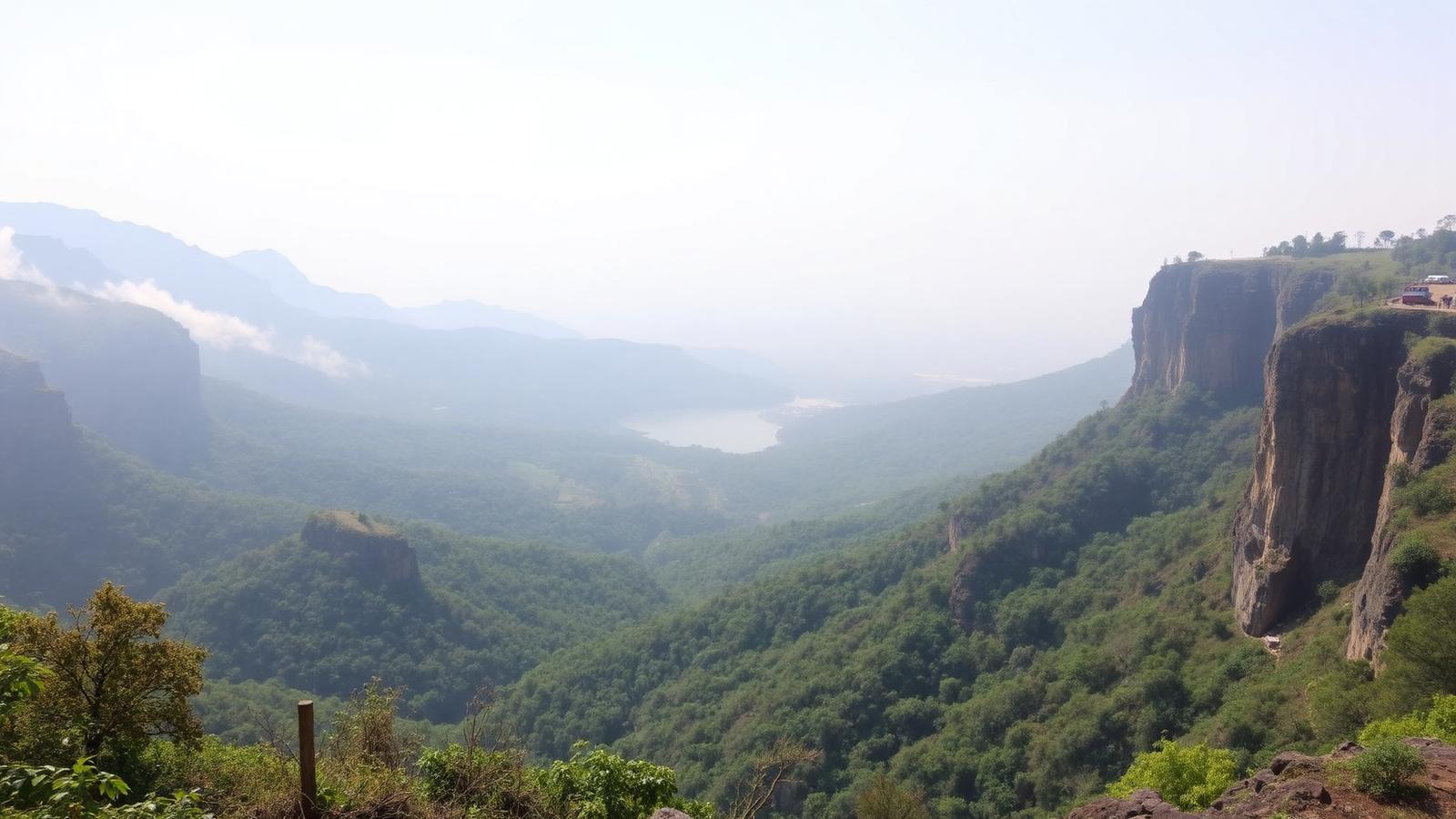
Bhatsa River Valley is the postcard shot everyone's after — a deep green gorge with the river cutting through far below, usually shrouded in cloud by mid-morning. Go early if you want the valley visible at all; by noon it's often just white. Camel Valley, named for a rock formation that vaguely resembles a camel's hump, offers a similarly dramatic drop and is quieter on weekdays.

Tringalwadi Fort makes for a proper, if muddy, trek — the climb passes a cave and a small temple before opening onto sweeping views, when the clouds allow. It is not for casual footwear; the rocks get slick and I'd only recommend it if you're reasonably fit and comfortable with basic scrambling. Vaitarna Dam and Bhavali Dam are calmer options — both fill up dramatically in the monsoon and are worth a drive-by even if you don't linger, since the surrounding hills are at their most photogenic exactly when the reservoirs are full.
- Bhatsa River Valley viewpoint — best before 10am for visibility
- Camel Valley — quieter alternative with similar drama
- Tringalwadi Fort trek — moderate difficulty, slippery in rain
- Vaitarna Dam and Bhavali Dam — easy drive-by stops
- Vipassana International Academy — respect the silence protocol even as a visitor passing by
A note on the Vipassana centre
Igatpuri is home to one of the world's largest Vipassana meditation centres, and it's easy to forget, amid waterfall-hopping, that this is a working spiritual institution with residents observing strict silence. If you're curious and drive past the campus, keep noise down, don't attempt to enter without purpose, and treat photography of the grounds with restraint. It's a genuinely significant place for a lot of people, and Igatpuri's identity is shaped as much by that stillness as by its waterfalls.
Waterfalls: the safety conversation nobody wants to have
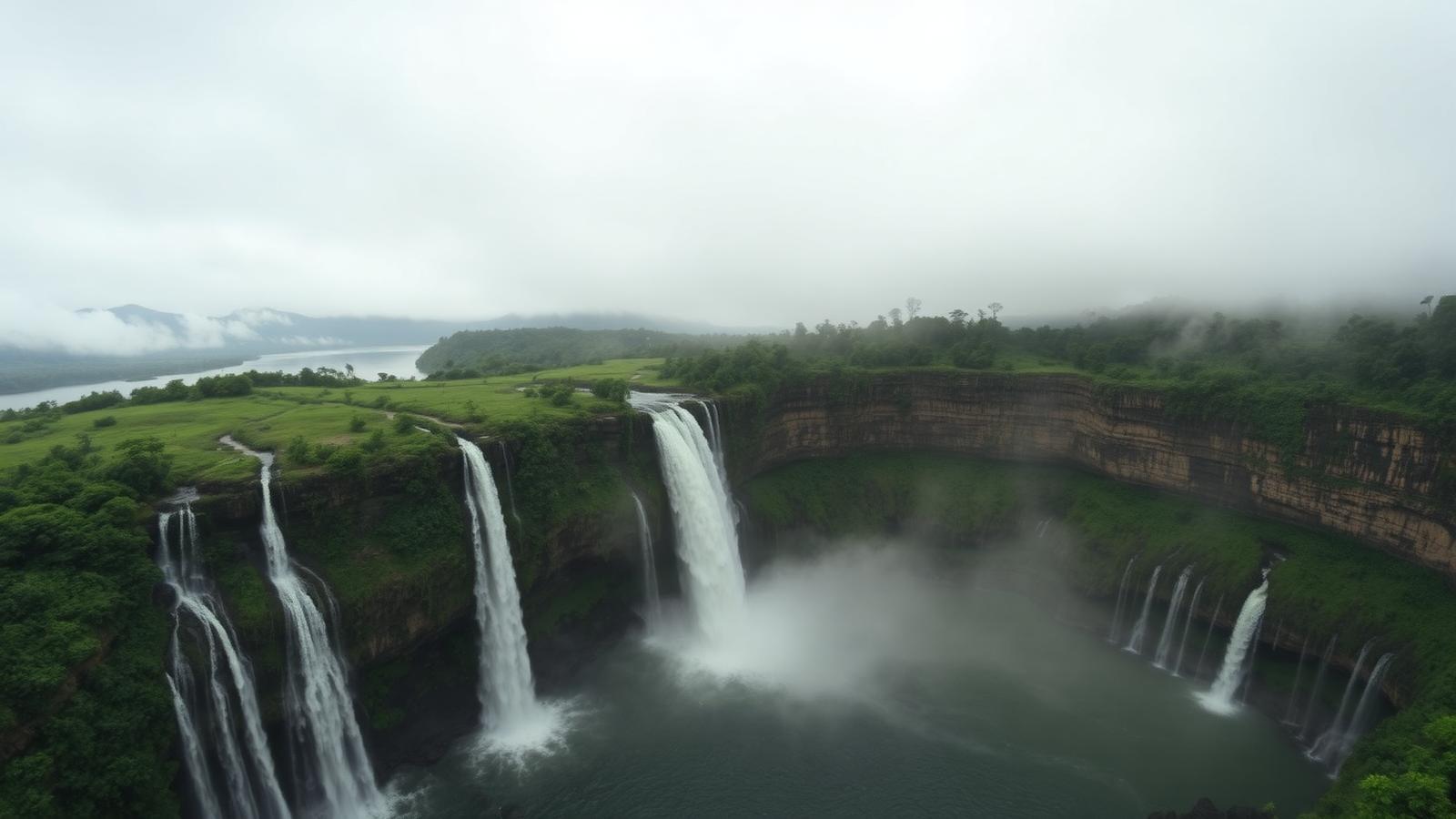
Every year, without fail, there are incidents at Maharashtra's monsoon waterfalls — people slipping on algae-covered rocks, getting swept by currents that look mild from the bank, or climbing to spots that were never meant to be climbed for a photo. Igatpuri's falls are no exception. Local warnings and barricades exist because someone learned the hard way, not out of excess caution, so if a spot is roped off or a local tells you not to go further, that's the end of the conversation, not a suggestion to find another angle.
The safest way to experience waterfalls here in peak monsoon is often from a distance — a viewpoint, a car window, a villa balcony that happens to face one. It's less Instagram-heroic but considerably less likely to end your trip in a hospital in Nashik. If you do want to get closer, go with someone who knows the specific spot, avoid it in the late afternoon when flow can suddenly intensify upstream, and never go alone.
When it rains all day: the indoors plan
This is the part first-time monsoon travellers underestimate. There will be stretches — sometimes a full day — when stepping outside means getting drenched within a minute, and no amount of waterfall enthusiasm changes that. This is exactly why we push people towards villas in Igatpuri with proper indoor common areas rather than compact rooms with a view and nothing else. A carrom board, a deck of cards, a good sound system and a kitchen you can actually cook in matter enormously when day two turns into a washout.

Why a fireplace or covered deck beats the pool this season
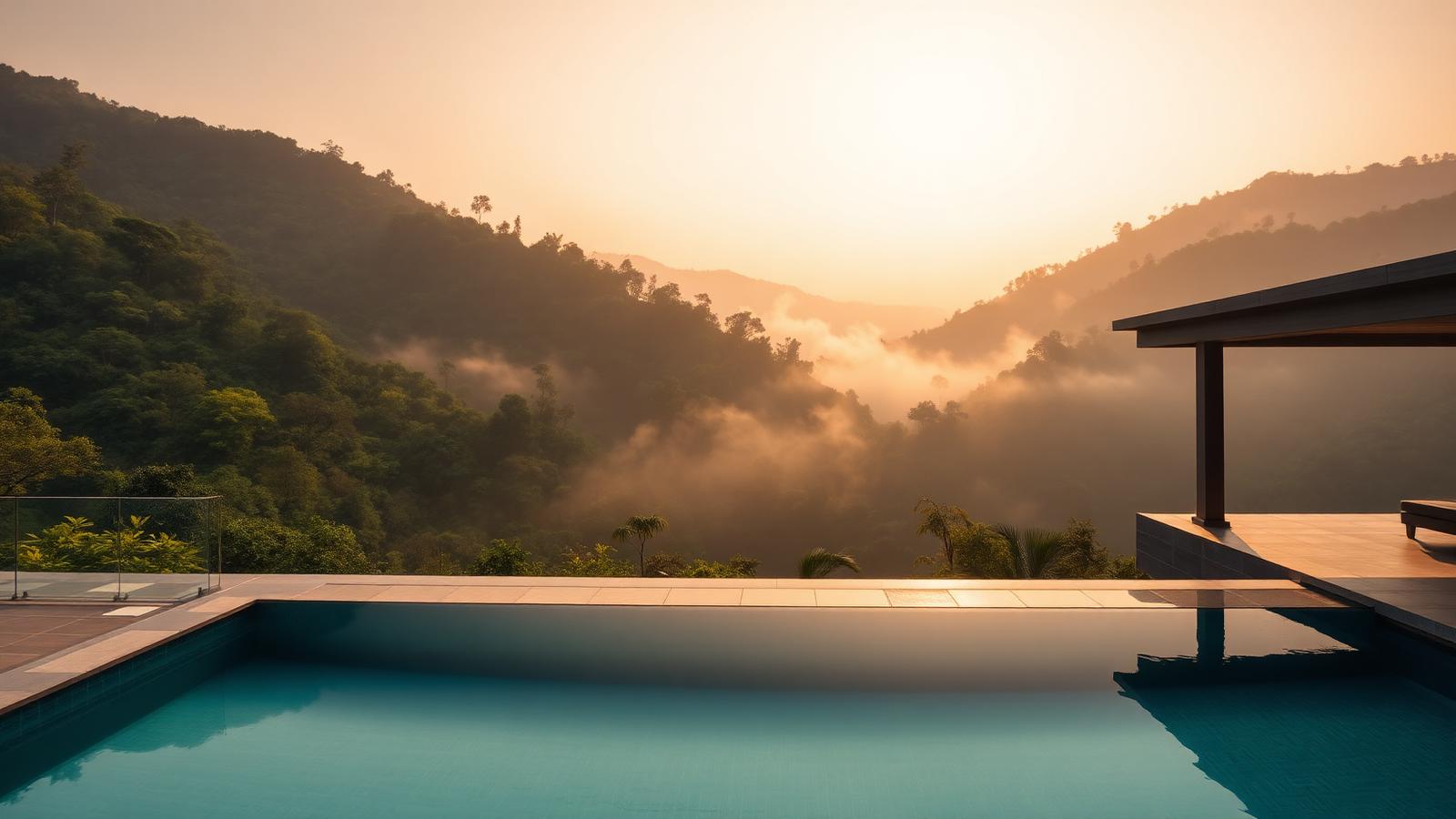
I say this every monsoon and I'll say it again: booking a villa purely for its pool in July is optimistic bordering on unwise. Pools in the rain are cold, often unusable for safety reasons during storms, and frankly beside the point when the temperature itself has dropped into cardigan territory in the evenings. What you actually want is a covered deck or veranda that lets you sit outside without getting wet, and ideally a fireplace or bonfire pit for the nights when the fog rolls right up to the railing. Villas like Zio Cresta and Zio Prima are built with exactly this kind of deck-first, pool-second monsoon experience in mind.
Packing for damp weather
- A proper rain jacket over an umbrella — ghat winds turn umbrellas inside out
- Quick-dry clothing; cotton stays wet for hours in this humidity
- Waterproof phone pouch for viewpoint and waterfall visits
- An extra pair of shoes — one pair will inevitably be soaked by day two
- A light jacket for surprisingly cool evenings, especially at higher elevations
- Anti-fungal powder and mosquito repellent — humidity brings both out in force
Food: misal, corn and roadside bhajiya
Monsoon food in this belt is one of its underrated pleasures. Nashik-style misal pav, fiery and generous with farsan, turns up at small local joints and is precisely the kind of meal you want after a wet trek. Roadside stalls along the highway sell hot corn roasted over coals, and the bhajiya and kanda bhaji stalls that pop up specifically for monsoon season are worth stopping for even if you've already eaten — hot, salty, fried food and rain go together in a way that needs no further explanation. Most of our villas also offer an in-house cook who'll happily put together a comforting home-style thali if you'd rather not brave the weather at all.
Photography in the fog
Fog photography is a game of patience rather than gear. The best light in Igatpuri's monsoon often comes in short windows — early morning before the day's clouds thicken, or briefly after a heavy spell when the sun cuts through for ten unpredictable minutes. Keep your phone or camera in a dry pouch between shots, use a lens cloth constantly (condensation is relentless), and don't discount shooting from inside a car or through a villa window; the water droplets on glass often add more than they take away.

Month by month: what to expect
| Month | Rain intensity | Fog | Villa pricing | Best for |
|---|---|---|---|---|
| June | Heavy, intermittent | Moderate | Moderate | First-rain arrivals, green valleys |
| July | Very heavy, continuous spells | High | Peak weekend demand | Fireplace weekends, waterfall viewing from a distance |
| August | Moderate, with breaks | Very high | Peak weekend demand | Fog photography, indoor board-game weekends |
| September | Tapering, occasional heavy spells | Moderate | Slightly eases | Last of the monsoon greenery, easier road conditions |
Igatpuri versus Lonavala in the rains
The comparison comes up constantly, so let's settle it plainly. Lonavala in monsoon is more crowded, has more built-up infrastructure, cafés and viewpoints with railings and parking, and is easier for a same-day dash. Igatpuri is rawer, quieter, and arguably wetter — it genuinely gets more rainfall than Lonavala most seasons — with fewer tourist facilities and a stronger sense of being somewhere remote. If you want convenience and company, take Lonavala; our Lonavala guide covers that well. If you want the fog-and-fireplace version of monsoon with fewer crowds jostling for the same viewpoint, Igatpuri wins, and nearby Shahpur villas offer a similar quieter alternative closer to Mumbai.
The Igatpuri guests who come back every monsoon aren't chasing a checklist of waterfalls — they've usually just found a deck they liked sitting on, and the rain gives them permission to do nothing else.
Villazio host team, Igatpuri
Ready for a proper monsoon weekend with a deck, a fireplace and someone else handling the details?
Browse Igatpuri villasWhere to stay: what actually matters this season
When you're shortlisting a villa for a monsoon Igatpuri trip, prioritise covered outdoor seating, a working fireplace or bonfire arrangement, reliable power backup, and an indoor common area big enough for the whole group when the rain doesn't let up. Zio Aura and Zio Asmara both handle this well, with layouts that don't collapse into cabin fever on a washout day. If you're looking at the wider luxury villa collection, ask specifically about monsoon-readiness rather than assuming a premium listing automatically covers it.

It's also worth asking your host about local curated experiences — some can arrange a guided waterfall visit with someone who actually knows which spots are safe that particular week, which is far more useful than any blog post's blanket advice, including this one. And if you're a repeat monsoon visitor, check whether you're enrolled in our loyalty programme, since return stays at the same property often come with small seasonal perks.
Budgeting for a monsoon Igatpuri weekend
Expect villa rates in the ₹18,000-₹45,000 per night range depending on size and season peak, with July-August weekends commanding the top end given demand from Mumbai and Pune. Add roughly ₹1,500-₹3,000 per person for meals if you're not self-catering, and budget for a slightly longer drive time than Google Maps suggests once the rain factor is added in. Groups of 8-10 splitting a larger villa often find the per-head cost comparable to a mid-range city hotel, with considerably more space and privacy thrown in.
One last practical note: book your monsoon weekend at least two to three weeks ahead if you have a specific villa in mind. July and August weekends fill up fast precisely because so many Mumbai and Pune travellers have caught on to what Igatpuri offers in the rains, and the good decks with the good views go first.
Frequently asked questions
Is Igatpuri safe to visit during heavy monsoon?
Yes, with sensible precautions — avoid waterfall edges and barricaded viewpoints, check ghat road advisories before driving, and keep a flexible itinerary since heavy spells can close certain access points temporarily. Most visitors have a smooth trip by simply respecting local warnings.
How much rainfall does Igatpuri get compared to Mumbai?
Igatpuri often crosses 5000mm between June and September, considerably more than Mumbai's average monsoon rainfall. This is part of why the region turns so dramatically green, but it also means longer, heavier spells of continuous rain than a Mumbai traveller might expect.
Which is better for a monsoon weekend, Igatpuri or Lonavala?
Lonavala offers more infrastructure, cafés and easier access, while Igatpuri is quieter, greener and gets noticeably heavier rainfall with fewer crowds. Choose Lonavala for convenience and Igatpuri for a rawer, more immersive monsoon feel.
Can I still visit waterfalls safely in July and August?
You can view many waterfalls safely from designated viewpoints, but climbing close to the rocks or entering the water is genuinely risky in peak monsoon due to sudden current changes and slippery surfaces. Always follow local barricades and avoid waterfall visits in the late afternoon.
Do Igatpuri villas have power backup during storms?
Most well-run villas, including the ones we list, have backup power arrangements for monsoon outages, but it's worth confirming directly before booking if this matters to your group. It's a small detail that makes a real difference on a stormy night.